
You do not need a finished bathroom design before arranging a site visit. The most useful preparation is a short list of what does not work now, what you want to keep and the changes that matter most. Add a few clear photos, any product ideas you already have and practical information about access or timing. That gives Austin a starting point for discussing your Christchurch bathroom, rather than a room copied from a showroom.
Bathroom Renovation Site Visit: What to Prepare
Published 9 November 2026 · AA Bathrooms
This guide is about getting ready for that first conversation. If you already have proposals to compare, use the bathroom renovation quote comparison guide instead. If you want to understand the later stages, read what happens during a bathroom renovation.
Start with how the bathroom works on an ordinary day
Before thinking about tiles, notice the small frustrations that happen repeatedly. Is the vanity crowded when two people get ready? Does the shower door get in the way? Are towels stored out of reach, or do cleaning products take over the floor? Describe the inconvenience, not just the fitting you think might fix it.
For example, wanting more bench space and wanting more storage are different needs. A larger vanity might solve one while making circulation worse. Knowing the underlying problem makes it easier to discuss a useful alternative. The same applies to a shower that feels cramped: its footprint, door opening and surrounding room all deserve attention.
Write down who uses the room and when. A family bathroom, guest bathroom and bedroom-connected ensuite serve different routines. If your project is an ensuite, the ensuite renovation planning guide looks at privacy, storage and the connection to the bedroom.
Separate must-haves from ideas you are still exploring
Keep your brief simple. Put essential outcomes first, optional improvements second, and undecided choices last. An essential outcome might be a shower that works properly or storage for everyday toiletries. A preferred finish or a second basin might be desirable without being the reason for renovating.
Also note what you would like to retain. A bath that the household uses, a workable fixture location or a particular window can be part of the brief. Keeping an item does not automatically mean it can remain untouched during the work, but it tells Austin which decisions need an explanation before the scope is developed.
It is fine to arrive with competing ideas. Say which outcome you are trying to achieve with each one. A site visit can then test those ideas against the actual room rather than treating every saved photograph as a requirement.
Take photos that explain the room, not just the problem
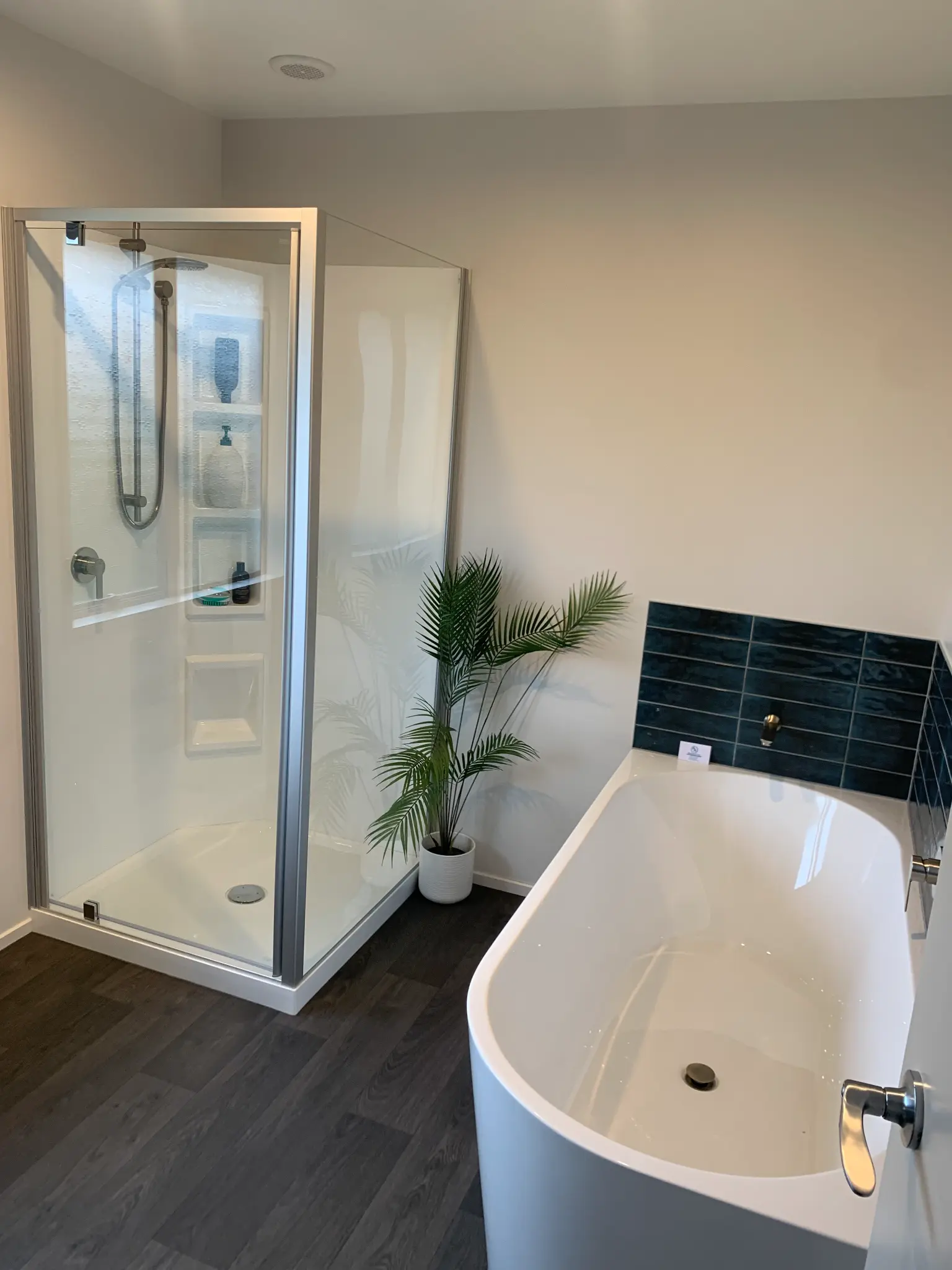
For the first enquiry, photograph the bathroom from the doorway and from another angle if space allows. Include the shower or bath, vanity, toilet, windows and the floor around the fixtures. Then take closer photos of any visible concern. Wide views give context that a close-up of a cracked fitting cannot provide.
Note when you first noticed a problem and whether it changes during everyday use. Describe water, staining or swelling as an observation, not a diagnosis. Do not remove linings or disturb materials to produce better photographs. A renovation discussion is not a substitute for urgent help when water or another issue is creating an immediate hazard.
You can add up to three optional room photos through the AA Bathrooms enquiry form. Choose images that explain different parts of the room rather than several nearly identical views of one fitting.
Bring rough measurements and any room history you already have
Approximate room length and width, door positions and window locations help explain an early idea. A simple sketch is enough for the first conversation. Make clear which dimensions are rough; they are not installation measurements and should not be used to order a shower or vanity without checking.
If you have plans, previous renovation invoices, product information or records of earlier repairs, keep them together. You do not need to commission a new report just to make an initial enquiry. Existing information may help explain what has changed, particularly in an older Christchurch home.
Some conditions behind fittings or finishes cannot be confirmed during a normal visual visit. Our older bathroom renovation planning guide explains how to prepare for that uncertainty without assuming that every older room has a defect.
Use product ideas to show preferences, not lock in the installation
Bring a small selection of images that show what appeals to you. Explain the useful part of each image: a less cluttered vanity, a particular shower opening, warmer-looking finishes or easier access to towels. Product names, model numbers and dimensions are more useful than a cropped social-media image when a specific item is important.
Avoid committing to fixtures before the room and work are understood. A product may fit the space visually yet need different plumbing, preparation or surrounding finishes. If you have already bought something, say so early and share its specifications. Compatibility, condition and responsibility for supplied products need to be discussed rather than assumed.
Have an honest budget and timing conversation
A budget preference helps explain the scale of change you are considering. It does not need to be a perfectly calculated figure. Say whether you are looking at focused shower work, an update within the existing layout or a more complete renovation. The Christchurch bathroom renovation cost guide explains the factors to discuss; it is not a quote for your room.
Tell Austin about a preferred completion window and any genuine constraint, such as guests arriving or other building work. A preferred date is not a booking or a guaranteed completion date. Product availability, scope, necessary approvals and the existing room can affect what is practical.
Consumer Protection recommends giving providers useful project information and requesting a written quote or estimate. Ask which document is appropriate at your stage and what further decisions are needed before it can be prepared. Do not assume a final price will be produced during the visit.
Explain access and the household arrangements
Make it easy to find the property and reach the bathroom. Mention parking constraints, stairs, pets, an occupied rental or any appointment arrangements. These details help plan a visit and may matter again when work is scheduled.
Explain whether the home has another usable bathroom. If not, that needs an early conversation rather than a last-minute assumption. Working from home, school routines and bedroom access can also affect household planning. The visit is the time to flag them, not to expect a fixed disruption-free programme.
Leave the visit knowing what happens next
Keep a short note of the decisions discussed. Useful questions include what needs measuring, which selections should come first, what remains uncertain, who will clarify any consent or trade requirements, and what information is needed for a written scope. Ask when and how the next communication will happen.
Building Performance explains that available drawings, specifications and site information help contractors price work. An initial room conversation and a sufficiently defined quotation are connected steps, not necessarily the same event.
AA Bathrooms plans bathroom and ensuite renovations in Christchurch around the existing room and the outcome you need. When you are ready, send your suburb, the main issue, a few room photos and your preferred contact details. That is enough to start a useful conversation with Austin.
Useful answers before you begin.
01Do I need drawings before arranging a bathroom renovation site visit?
No finished design is needed for an initial room discussion. Bring any plans you already have, but photos, rough measurements and clear priorities are a useful starting point. Detailed drawings or specialist input may be needed later depending on the work proposed.
02Will I receive a final bathroom quote during the site visit?
Do not assume so. A visit helps clarify the room and intended work. Product selections, measurements or further checks may still be needed before a written quote is useful. Ask what information is outstanding and how the next scope or pricing discussion will happen.
03Should everyone involved in choosing the bathroom attend?
It helps to involve the people who need to agree on major choices, or share their priorities beforehand. A clear contact person and a common view of the must-haves reduce conflicting instructions. Mention any landlord or property-manager involvement when arranging the visit.
04What if I only want to replace the shower?
Say that in the first enquiry and include photos of the shower and surrounding room. A focused shower project can be discussed without assuming a full bathroom renovation. The existing enclosure, adjacent finishes and result you want will help determine the practical scope.